
Honduras: the Maya stelae of Copán and Roatán's reef
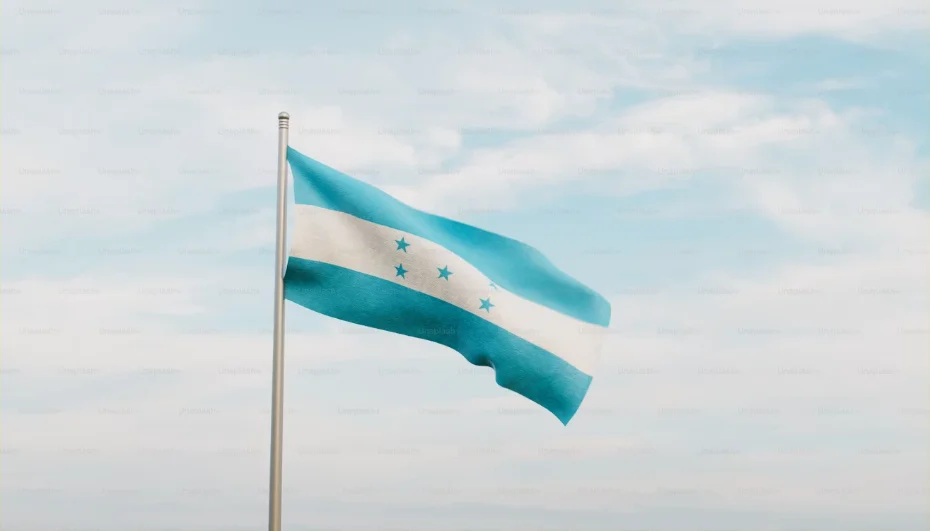
I keep arriving at the Maya world from new doors. The Yucatán gave me the flat, hot peninsula; Guatemala gave me the same gods raised cold and high among volcanoes. Honduras gave me something else again — the eastern edge of that ancient map, a small carved city near the Guatemalan border, and then, a day's travel north, a coral reef I'd been quietly dreaming about for years. I came for the stones. I stayed for the water.
I travel alone, the way I always do, holding a loose plan together with bus times and the kindness of people who point. I flew in, slept one night to shake off the journey, and pointed myself west toward Copán Ruinas — the little town that shares its name with the ruins, all cobbles and red roofs and a square where the whole place seems to gather at dusk.
Copán, the city that wrote everything down
Copán is smaller than Tikal and quieter than Chichén Itzá, and that turned out to be its gift. Where the big sites overwhelm you, Copán lets you lean in close. This was a city of sculptors — the stelae here are carved so deep and so fine that the kings stand almost free of the stone, faces and headdresses and glyphs crowding every surface. I spent a whole morning just walking from one to the next, reading nothing and understanding less, and feeling the weight of a place that recorded its own story in stone for centuries.
The famous thing is the Hieroglyphic Stairway, a flight of steps carrying what's said to be the longest Maya inscription anywhere — thousands of glyphs climbing toward the sky, sheltered now under a long protective roof. I stood at the bottom of it for a long time. And then, overhead, a flash of impossible red and blue: scarlet macaws, wild and loud, crossing between the trees that ring the ruins. They've been brought back to this valley, and they wheel over the old plazas as if they own them. Maybe they do.
« The kings stand almost free of the stone, and overhead the scarlet macaws cross the old plazas as if they still own them. »
In Copán Ruinas the connection held up fine. I sat in the square after the site closed, paid for a coffee in lempiras, and sent my sister a blurry photo of a macaw mid-flight with the message « I think this country is going to ruin me. » The town is small but it's on the tourist map, and the signal reflected that — solid enough to look up the next bus north and book a bed by the sea before I lost the nerve.
North to the coast, and the slow change of air
The road north drops you out of the highlands and into the heat of the Caribbean coast, and the country changes with the altitude. I broke the journey on the shore — Tela, La Ceiba, the long green wall of Pico Bonito national park rising straight off the lowlands. Around La Ceiba the air carries drums some evenings: this is Garifuna coast, a culture with its own language, food and rhythm, descended from people the rest of the country's history almost forgot. I ate fish in coconut broth at a plastic table by the water and understood I'd crossed into a different Honduras entirely.
I'll be honest about the practical side, because the coast is where it matters. The towns and the tourist strips kept me connected without much thought. But Pico Bonito's jungle is another story — I took a half-day of rafting and walking up into the green, and the bars thinned to nothing under the canopy fast. Further east, toward the wild Moskitia, you should assume your phone simply won't follow you. I'd screenshotted my onward boat times the night before, in town, while I still had signal — and I was glad I had.
Roatán, and the second-biggest reef on Earth
Then the boat across to Roatán, in the Bay Islands, and the reason the stones had only been half the trip. Off these islands runs the Mesoamerican Barrier Reef — the second-largest reef system in the world, the same living wall that brushes Belize and Mexico — and it comes in close enough that you can swim out from a beach and find it. I'm a nervous diver and an enthusiastic snorkeller, and Roatán was generous to both. The wall drops away into deep blue; turtles cruise the shallows like they're bored of you; one afternoon, a pod of dolphins crossed below me and I forgot, briefly, how to breathe through a snorkel.
Down there, of course, no signal reaches you — and that felt exactly right. I'd long since stopped checking. Back on land the dive shops and the West End strip had perfectly usable data, enough to send photos and hold the next night's room, but in the water there was nothing to do but float and look. The reef doesn't care about your messages. A word on safety, since people ask: I stuck to the well-known tourist areas, took the ordinary precautions I'd take anywhere, didn't wander alone after dark, and never once felt I'd made a mistake by coming. The islands and Copán were warm and easy. Common sense travels well here, same as anywhere.
📶 Sarah's tip
Honduras sits outside the EU, so a European « roam-like-at-home » plan won't cover you here — sort your data before you fly. Set up your eSIM before departure so it connects the moment you land, ready for the ride out to Copán Ruinas or down to the coast. Expect solid coverage in the towns and tourist areas — Roatán's West End, Copán Ruinas, La Ceiba — and far thinner signal in the jungle of Pico Bonito and out toward the Moskitia, so download offline maps and screenshot your bus and boat times while you've still got bars. Check your phone's compatibility in 30 seconds here and find your Honduras plan on the destinations page (if a separate European stopover is on the cards, an EU/EEA plan covers that leg instead).
What I take away
Honduras gave me the eastern edge of the Maya world and then handed me the sea as a reward — the carved kings and the climbing glyphs of Copán, the macaws over the plazas, and a coral wall off Roatán that I'll be telling people about for years. I kept just enough signal in the towns to hold the next bed and catch the next boat, and let the rest go: the stones, the canopy, the blue drop of the reef. The best of it happened underwater, with no bars at all. That, by now, I expect.
— Sarah, somewhere between a thousand-year-old staircase and the edge of a reef, still a little salt in my hair.