Uganda: the gorillas of Bwindi and the source of the Nile
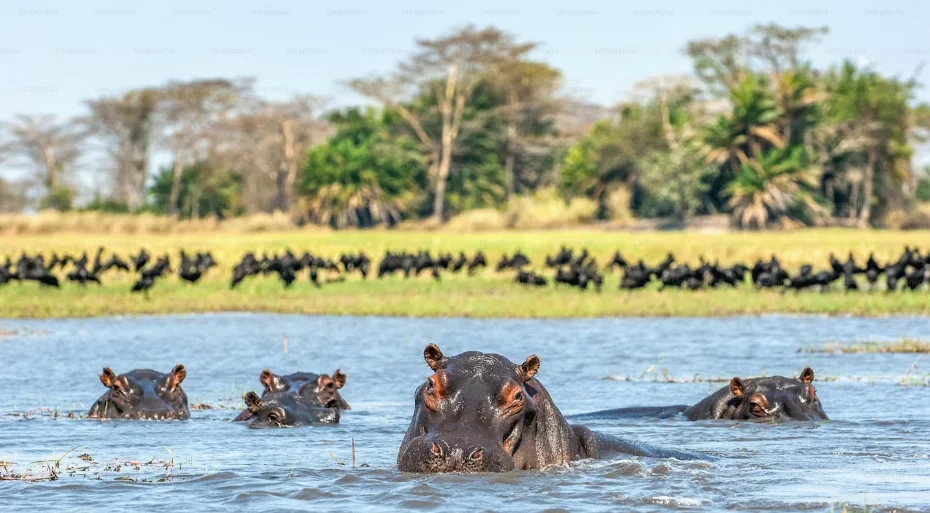
There are trips you plan, and there are trips that plan you. Uganda was the second kind. Months before I boarded anything, I was already on it — because the one thing everyone agrees on about this country is that you do not improvise the part that matters. The mountain gorillas of Bwindi don't wait for latecomers, and neither does the permit you need to stand near them.
Let me get that out of the way first, because it shaped the whole journey. Tracking gorillas in Bwindi Impenetrable Forest is strictly regulated: you need a permit, the number issued each day is deliberately small, it is expensive, and in high season it sells out far in advance. I booked mine through a licensed operator months ahead, and I'd tell you to do the same. This is not a queue-on-arrival kind of experience. It is the single most planned thing I have ever done as a traveller, and the most worth it.
Into the impenetrable forest
The morning of the trek you gather at a briefing, get assigned a gorilla family, and then you walk — sometimes an hour, sometimes most of the day, up and down slopes that earned the forest its name. A ranger goes ahead with a machete; you follow, sweating, gripping roots. And then a guide raises a hand, everyone goes quiet, and there they are: a silverback the size of a small car, mothers, a couple of young ones tumbling through the leaves like they own the place. You get one strictly timed hour. I spent most of mine forgetting to breathe.
« You don't visit the gorillas. You're granted an audience, and then you leave their forest to them. »
Now, the honest part — connectivity, because that's the house specialty and I won't pretend. Deep in Bwindi, there is essentially no usable signal, and you shouldn't want one. The forest is a dead zone and that's part of the deal. Out across the savanna parks the coverage is patchy too: a bar near a lodge or a town, nothing for long stretches of bush. So I treated my phone like an offline tool out there — downloaded maps, my permit and operator details saved as screenshots, everything important reachable without a network. The eSIM earned its keep before and after: confirming logistics with my operator from the lodge in the evening, and sending one shaky, overjoyed voice message the moment I climbed back into range.
Where the Nile begins
After the forest I went looking for water, and few places deliver it like Jinja. This is where the Nile leaves Lake Victoria and starts its very long walk north — the source of the White Nile, more or less, depending on which explorer you want to argue with. I stood at the river, watched it gather itself, and felt the small vertigo of geography you only get standing somewhere a river that crosses a continent decides to begin. Jinja is also Uganda's adventure town: rafting, kayaking, riverside afternoons. After Bwindi's silence, the noise of moving water was a fair trade.
Jinja, and Kampala before it, is where I got my signal back properly. In the capital and around Entebbe — where you'll likely land — the network is genuinely fine for a traveller: messaging, maps, calls home, looking up the next leg. It's the cities that connect you and the wild that disconnects you, and once you stop fighting that rhythm, it makes a strange kind of sense.
The long gold afternoons
Between the forest and the river there's the savanna, and Uganda does it generously — elephants, buffalo, the occasional lion draped over a branch, that enormous flat light at the end of the day that turns the grass to gold. I learned to keep the phone in my pocket out there. Not for lack of signal, though there was that — but because some hours are better held in your eyes than in your storage. Uganda is a country that quietly insists you be present, and for once I listened.
📶 Malik's tip
Book the gorilla permit through a licensed operator months ahead — this is the one thing you cannot leave to chance — and have your eSIM installed and tested before you fly into Entebbe, so the city legs (Kampala, Jinja, the airport) just work. Out in Bwindi and the savanna, expect dead zones: download offline maps and save your bookings as screenshots beforehand. Check your phone's compatibility in 30 seconds here and find your Uganda plan on the destinations page. If your trip also includes a European leg, a separate EU/EEA plan is available for that part.
What I take away
Uganda gave me the rarest pairing in travel: a thing I had to plan with surgical care, and a place that then asked me to let go of all of it. You book the permit like your life depends on it, and then you stand in a forest with no signal and no agenda and the largest gentle animal you'll ever meet, and none of the planning is in the room anymore. The cities keep you connected. The wild keeps you honest. Bring both.
— Malik, somewhere between a silverback and the source of a river.