
Kenya: safari in the Masai Mara and the great migration
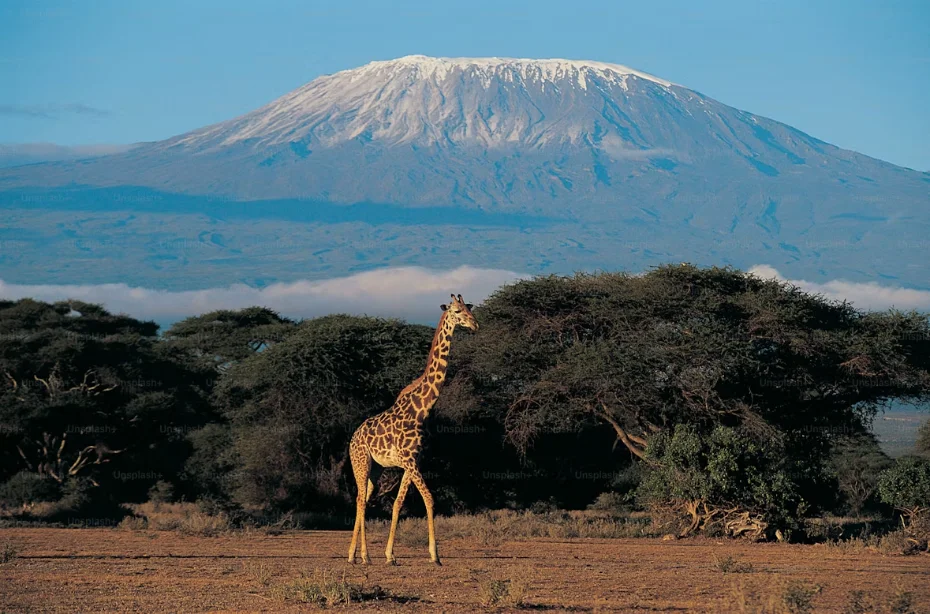
I've spent a lot of nights in places where the horizon does most of the talking — deserts, high plateaus, old caravan towns. The Masai Mara belongs to that family, except here the horizon moves. You watch a grass plain that looks empty, and then it isn't: a line of wildebeest appears at the edge of it, then another, until the ground itself seems to be walking. I came for that, and I stayed for the silence around it.
My trip started, as most Kenyan trips do, in Nairobi. The city surprised me — green, fast, wired. I'd half-expected to spend my first hours hunting for a working network and instead my phone latched on the moment I left the terminal. Nairobi has solid coverage, and within an hour I'd done the most Kenyan thing there is: paid for something with my phone, by M-Pesa, the mobile-money system the whole country seems to run on. A coffee, then a SIM-free top-up sent to my driver — all of it from a screen, no cash changing hands.
The road to the Mara
From Nairobi you can fly into the reserve on a small plane, or drive — five or six hours, the last stretch on roads that rearrange your spine. I drove, because I like watching a country change through a windscreen: the suburbs thinning, the Rift Valley opening up below the escarpment, the towns getting smaller and the sky getting bigger. Somewhere past Narok the tarmac gives up and the dust takes over, and that's roughly where the phone signal starts to flicker too. Fair warning: the deeper you go into the Mara, the more the bars come and go.
I'd made my peace with that before leaving. I downloaded an offline map of the region, told the people who worry about me that I'd be quiet for stretches, and let it go. Out there, the disconnection is half the point. You're not refreshing anything. You're watching a cheetah decide whether it can be bothered.
« Out here the network comes and goes — and honestly, so should you. »
Game drives and the great crossing
The days fall into a rhythm: out at first light when the air is cold and the animals are moving, back to camp for the heat of midday, out again as the light goes gold. The guides read the savanna like a page you and I can't see — a flattened patch of grass, a smell, a vulture circling. Over a few drives I saw more than I'd dared hope: elephants in family columns, a pride dozing in the open, giraffes browsing the acacias like they had all the time in the world.
The migration is the headline act, and it's worth being honest about it. Roughly between July and October the great herds cross between the Serengeti and the Mara, and the river crossings — wildebeest plunging into the Mara River, crocodiles waiting — are the scene everyone pictures. But it's wildlife, not a timetable: the herds move with the rains, a crossing can happen at dawn or never that day, and even in season you need patience and a little luck. I got one crossing, after two mornings of waiting. I won't pretend I'd have been owed a refund if I hadn't.
Connectivity in the Mara is its own small adventure. Out on the plains, expect dead zones — that's normal, and it's fine. Back at camp it's a different story: most lodges and tented camps now offer wifi at the main area, often satellite-based, fine for messages and a photo or two, less happy with a video call at sunset. That became my routine — go dark all day, then send the evening's pictures over the camp wifi while the generator hummed and the sky did something ridiculous over the tree line.
Nairobi again, and a thought about the coast
Back in Nairobi at the end, fully connected again, I did the city properly: the elephant orphanage on the edge of town, a long lunch, the slightly giddy feeling of traffic after days of open grass. If you have more time, the coast is its own country — Diani, south of Mombasa, trades savanna dust for white sand and warm water, and the coverage along the populated coastal strip is generally good. I didn't make it this trip. That's how you know you'll come back.
A practical word on staying reachable, because Kenya is outside the EU and your home-country roaming may not stretch here the way it does within Europe — and even if it does, it can cost a small fortune. For a trip like this I want data that works the moment I land in Nairobi, where coverage is strong, and that I can simply switch off when the Mara goes quiet. An eSIM does exactly that: it loads before departure, activates on arrival, and asks nothing of you out on the plains where there's no signal to be had anyway.
📶 Malik's tip
Set your eSIM up before you fly, so it's live the second you reach Nairobi — you'll want it for M-Pesa, for messaging your camp, and for a ride from the airport. Then make peace with the Mara: download an offline map and a few things to read, and let the dead zones be dead zones. Lean on the lodge wifi in the evenings for photos and check-ins. Check your phone's compatibility in 30 seconds here and find your Kenya plan on the destinations page (for an EU/EEA destination, you can use the European plan).
— Malik, somewhere on a savanna with one bar of signal and no complaints.