
Germany: Berlin, the trains, and history on its sleeve
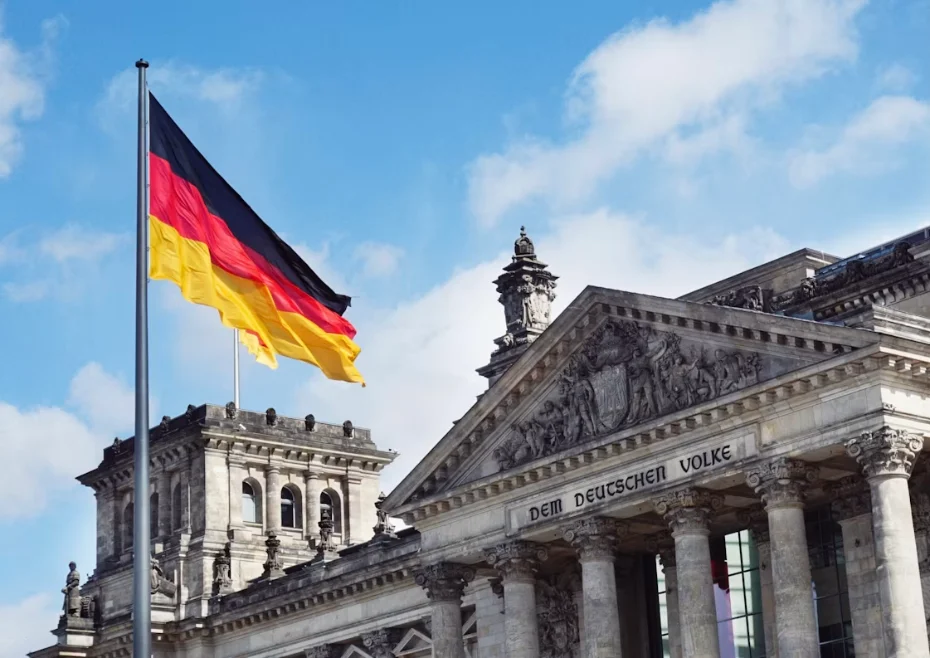
I plan trips the way some people plan moves: spreadsheet, connections, a buffer between trains because I've learned the hard way. So Germany should have been my home turf — reliable, on time, engineered. That's the legend, anyway. Reality is a little funnier, and I'll get to it. But let's start where every German trip should start: Berlin.
Berlin doesn't try to charm you. It's not pretty in the postcard sense — it's a city that wears its history on the outside, scars and all, and somehow that's exactly why you can't look away. I came for the museums and stayed for the feeling that something is always happening just around the corner, usually after midnight.
Berlin: the Wall, and everything after
I walked the East Side Gallery on my first morning — the longest surviving stretch of the Wall, painted end to end — and it does something to you to put your hand on concrete that split a city in two until 1989. Later: the Brandenburg Gate, the sobering Memorial to the Murdered Jews of Europe, Museum Island for an afternoon out of the rain. Berlin asks you to remember, and it's very good at it.
Then the sun goes down and the other Berlin clocks in. The nightlife here is legendary for a reason — clubs that open when others close, bars in old power stations, a whole city that treats Sunday morning as optional. I'm not exactly a techno warrior, but even I stayed out far later than my spreadsheet had budgeted for. Some plans are meant to be broken.
« Berlin doesn't perform for tourists. It just keeps living, and lets you watch. »
On connectivity: in Berlin it's a non-issue. 4G and 5G are strong across the city, the U-Bahn and S-Bahn keep a signal through most of the network, and I worked a full morning from a café in Kreuzberg without a second thought. Germany overall is well covered — the cities are excellent, the autobahns and main lines are fine. Where it gets patchy is the deep countryside and a few of the long forest stretches between regions, where coverage can thin out for a while. Nothing dramatic, just worth knowing if your day runs on maps.
South to Bavaria, west to the Rhine
You shouldn't leave Germany having seen only Berlin — the country changes completely the moment you head out. I went south to Bavaria: Munich's beer gardens, the storybook madness of Neuschwanstein, the Alps suddenly filling the train window. On another trip I'd take the Rhine instead — that valley of vineyards and hilltop castles between Mainz and Koblenz, best seen with your nose against the glass. Either way, the train does the heavy lifting and you just look out the window.
Deutsche Bahn, and the punctuality myth
Here's the part Germans will laugh about with you. Deutsche Bahn has a global reputation for clockwork precision, and the long-distance ICE trains are genuinely fast and comfortable — but ask anyone who actually commutes here and you'll get a knowing sigh. Delays happen, connections get missed, and «mit etwa zehn Minuten Verspätung» (with about ten minutes' delay) becomes a phrase you learn early. I built buffers into every transfer, used the DB Navigator app for live platform changes, and mostly stayed calm. Mostly.
This is also where my eSIM earned its keep. A real-time delay alert, a re-booked seat, a message to the friend waiting at the other end — all of it needs a working connection, and platforms change with about three minutes' notice. Because Germany is in the EU, the roam-like-at-home rules mean a European plan already covers you here, the same way it would at home — handy if Germany is one leg of a wider European trip. I still travel with my eSIM installed before I land, because I'd rather not gamble the first hour of a trip on finding a network.
📶 Hugo's tip
Install your eSIM and scan the QR code before you land — you'll want DB Navigator and live maps working the second you step off the plane, not after hunting for wifi. Save offline maps for any Bavaria or Rhine day-trips, since the deep countryside can go quiet. Check your phone's compatibility in 30 seconds here and find your plan on the destinations page. Since Germany is in the EU/EEA, a European plan covers it under roam-like-at-home — handy for a wider European trip, see the EU/EEA option.
What I take away
Germany rewards the planner and forgives the improviser. Berlin will keep you up too late, Bavaria and the Rhine will slow you down in the best way, and Deutsche Bahn will test your buffers at least once — that's part of the deal. Plan the trains, pad the connections, keep your signal live for when the platform changes, and let the rest happen. It will.
— Hugo, recalculating a connection on platform 7.